


Dr. Alexandra Kavvalou
is a paediatrician – paediatric pulmonologist that has completed a full residency and fellowship in Germany.
She is a graduate of the Medical School of Athens and doctorate from the University of Essen, where he completed his specialization in Pediatrics and specialized in Paediatric Pulmonology.
As a pediatric pulmonologist, σhe has gained extensive experience and specializes in monitoring chronic and non-chronic childhood diseases such as:
⋅ Bronchial (allergic and non-allergic) asthma
⋅ Recurrent bronchitis/bronchiolitis
⋅ Bronchiectasis
⋅ Chronic cough
⋅ Protracted bacterial bronchitis
⋅ Cystic fibrosis
⋅ Bronchopulmonary dysplasia
⋅ Primary ciliary dyskinesia
⋅ Anatomical abnormalities of the respiratory system
⋅ Interstitial lung diseases
⋅ Chronic respiratory failure
⋅ Monitoring of diseases requiring invasive and non-invasive ventilation.

Dr. Alexandra Kavvalou
is a paediatrician – paediatric pulmonologist that has completed a full residency and fellowship in Germany.
She is a graduate of the Medical School of Athens and doctorate from the University of Essen, where he completed his specialization in Pediatrics and specialized in Paediatric Pulmonology.
As a pediatric pulmonologist, σhe has gained extensive experience and specializes in monitoring chronic and non-chronic childhood diseases such as:
⋅ Bronchial (allergic and non-allergic) asthma
⋅ Recurrent bronchitis/bronchiolitis
⋅ Bronchiectasis
⋅ Chronic cough
⋅ Protracted bacterial bronchitis
⋅ Cystic fibrosis
⋅ Bronchopulmonary dysplasia
⋅ Primary ciliary dyskinesia
⋅ Anatomical abnormalities of the respiratory system
⋅ Interstitial lung diseases
⋅ Chronic respiratory failure
⋅ Monitoring of diseases requiring invasive and non-invasive ventilation.
Services

Pulmonary examination and routine medical monitoring
Timely and accurate diagnosis of respiratory diseases by a specialized pediatric pulmonologist is sometimes essential to prevent potential complications, including chronic impairment of lung function and disruptions to a child’s development.
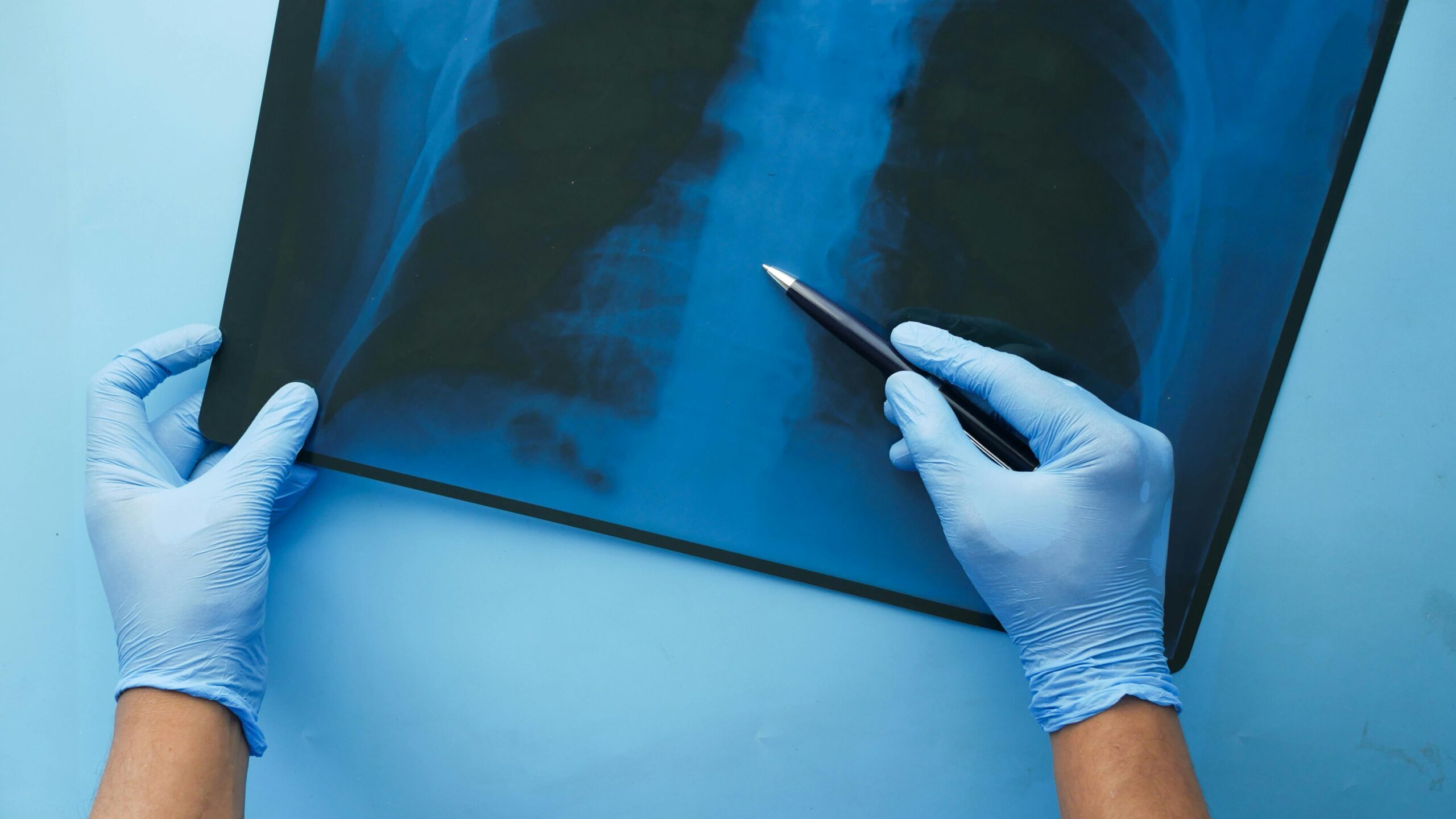
Spirometry
Spirometry is a painless, simple, and commonly used test to assess lung function. It is typically performed in children aged 6 years and older, as it requires full cooperation.
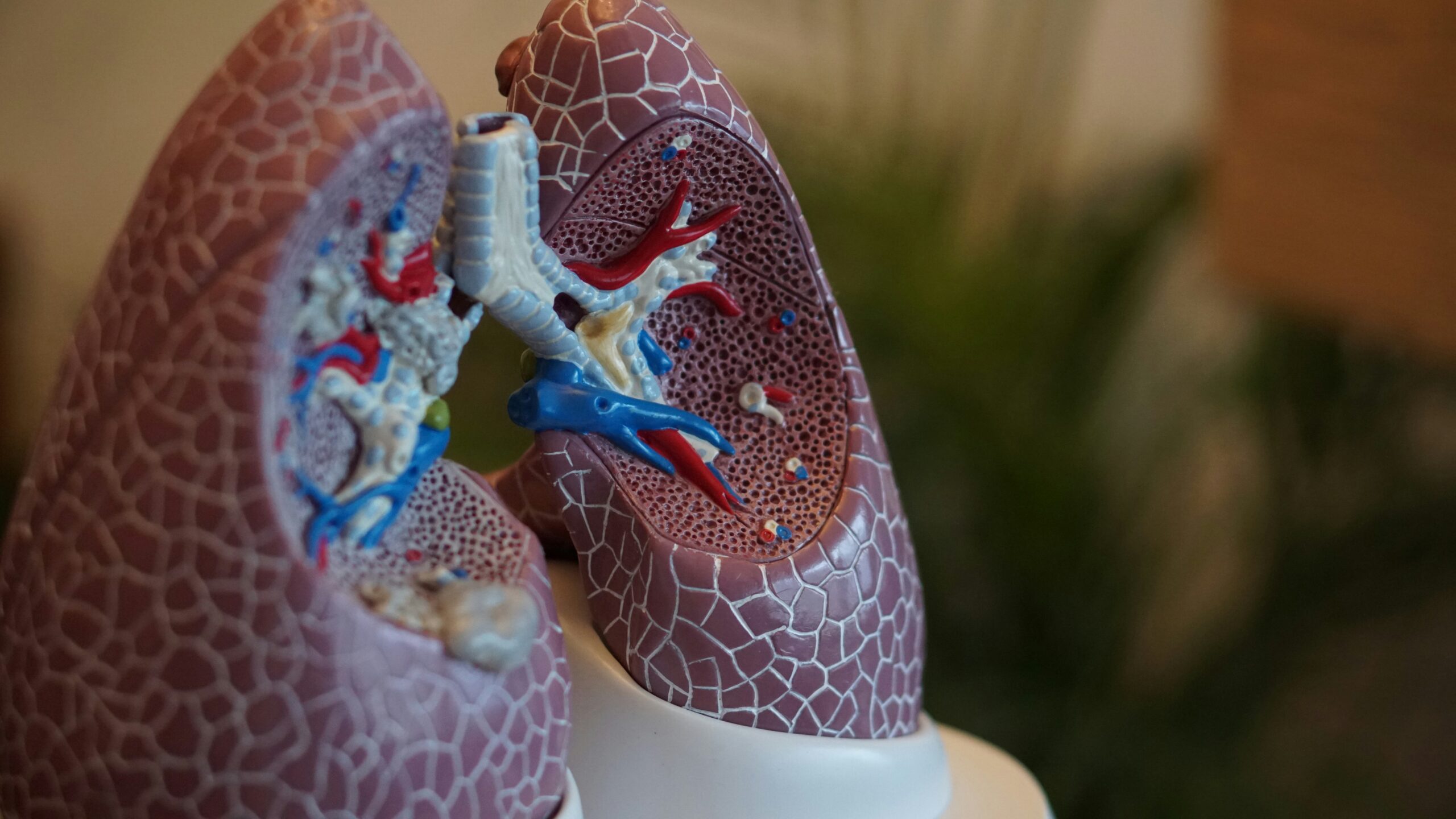
Body plethysmography
In some cases, basic spirometry is not sufficient. It may be necessary to assess static lung volumes—such as total lung capacity, residual volume, functional residual capacity, airway conductance, and airway resistance
Services
Pulmonary examination and routine medical monitoring
Timely and accurate diagnosis of respiratory diseases by a specialized pediatric pulmonologist is sometimes essential to prevent potential complications, including chronic impairment of lung function and disruptions to a child’s development.
Spirometry
Spirometry is a painless, simple, and commonly used test to assess lung function. It is typically performed in children aged 6 years and older, as it requires full cooperation.
Body plethysmography
In some cases, basic spirometry is not sufficient. It may be necessary to assess static lung volumes—such as total lung capacity, residual volume, functional residual capacity, airway conductance, and airway resistance

Spirometry After Exercise
Spirometry after exercise is used in older children and adolescents when basic spirometry results are normal, but there is still a strong suspicion of asthma.

Exhaled Nitric Oxide Measurement (FeNO)
The FeNO test (Fractional exhaled Nitric Oxide) is a non-invasive method for detecting airway inflammation, commonly seen in allergic asthma.
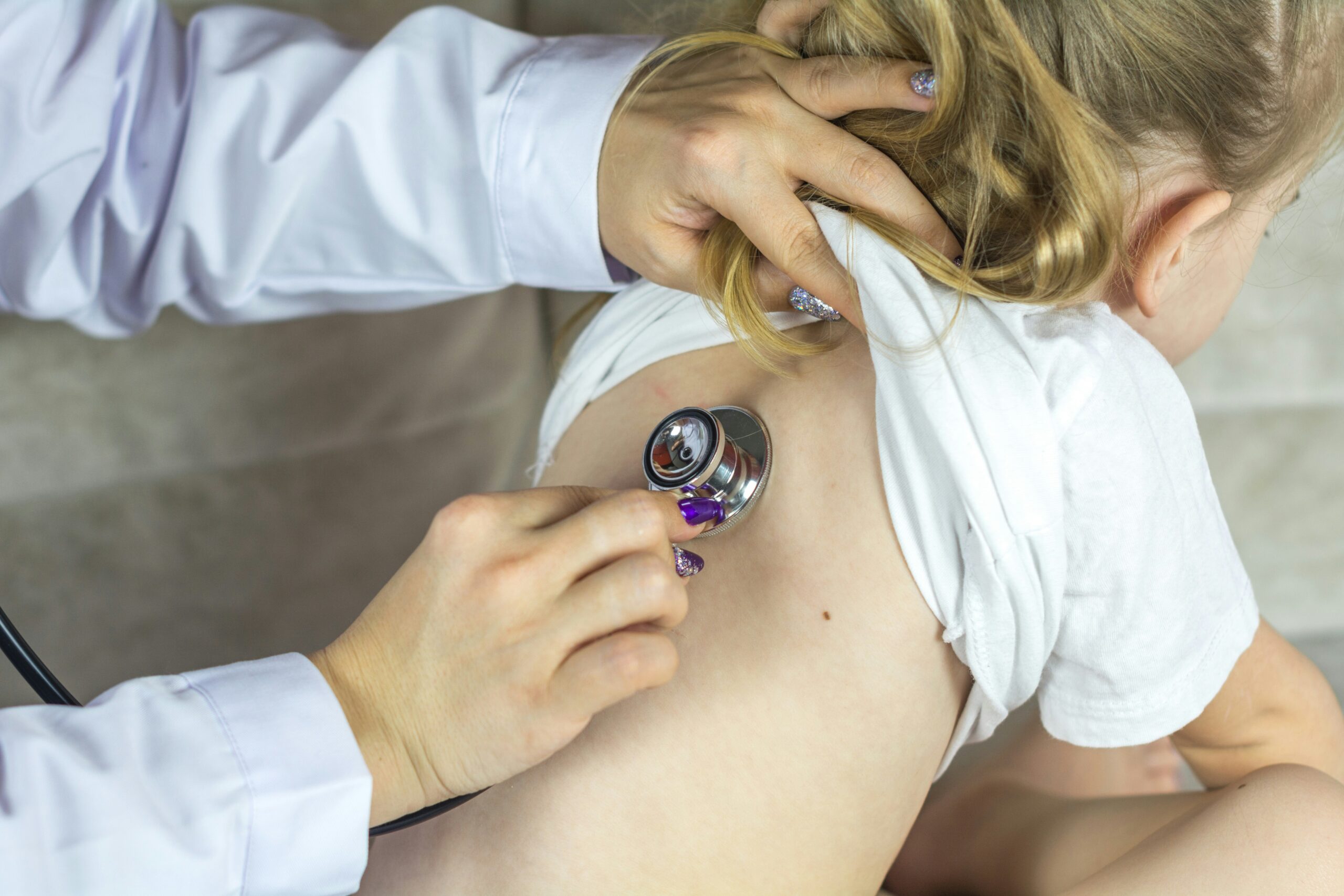
Nasal Nitric Oxide Measurement (nNO)
Nasal nitric oxide measurement is a simple, painless test primarily used in children with a history of recurrent pneumonia to help rule out primary ciliary dyskinesia (PCD).
Spirometry After Exercise
Spirometry after exercise is used in older children and adolescents when basic spirometry results are normal, but there is still a strong suspicion of asthma.
Exhaled Nitric Oxide Measurement (FeNO)
The FeNO test (Fractional exhaled Nitric Oxide) is a non-invasive method for detecting airway inflammation, commonly seen in allergic asthma.
Nasal Nitric Oxide Measurement (nNO)
Nasal nitric oxide measurement is a simple, painless test primarily used in children with a history of recurrent pneumonia to help rule out primary ciliary dyskinesia (PCD).